A Natural Path to Better Breathing
Discover how yoga therapy can support asthma management through breathing exercises, relaxation, and gentle yoga poses for improved lung health and reduced stress.
Asthma affects millions of people worldwide, making everyday activities challenging due to shortness of breath, wheezing, chest tightness, and coughing. While medical treatment remains essential, many people are now turning to yoga therapy as a supportive and holistic approach to improve respiratory health and overall well-being.
In this article, we’ll explore how yoga therapy can help manage asthma symptoms naturally and safely and without any unwanted side effects.
Understanding Asthma
Asthma is a chronic respiratory condition that causes inflammation and narrowing of the airways. Triggers may include:
- Dust and pollution
- Allergies
- Stress and anxiety
- Cold weather
- Exercise
- Respiratory infections
When the airways become inflamed, breathing becomes difficult, leading to asthma attacks or flare-ups. Although inhalers and medications are important for controlling asthma, lifestyle practices such as yoga therapy can play a powerful complementary role.
What is Yoga Therapy?
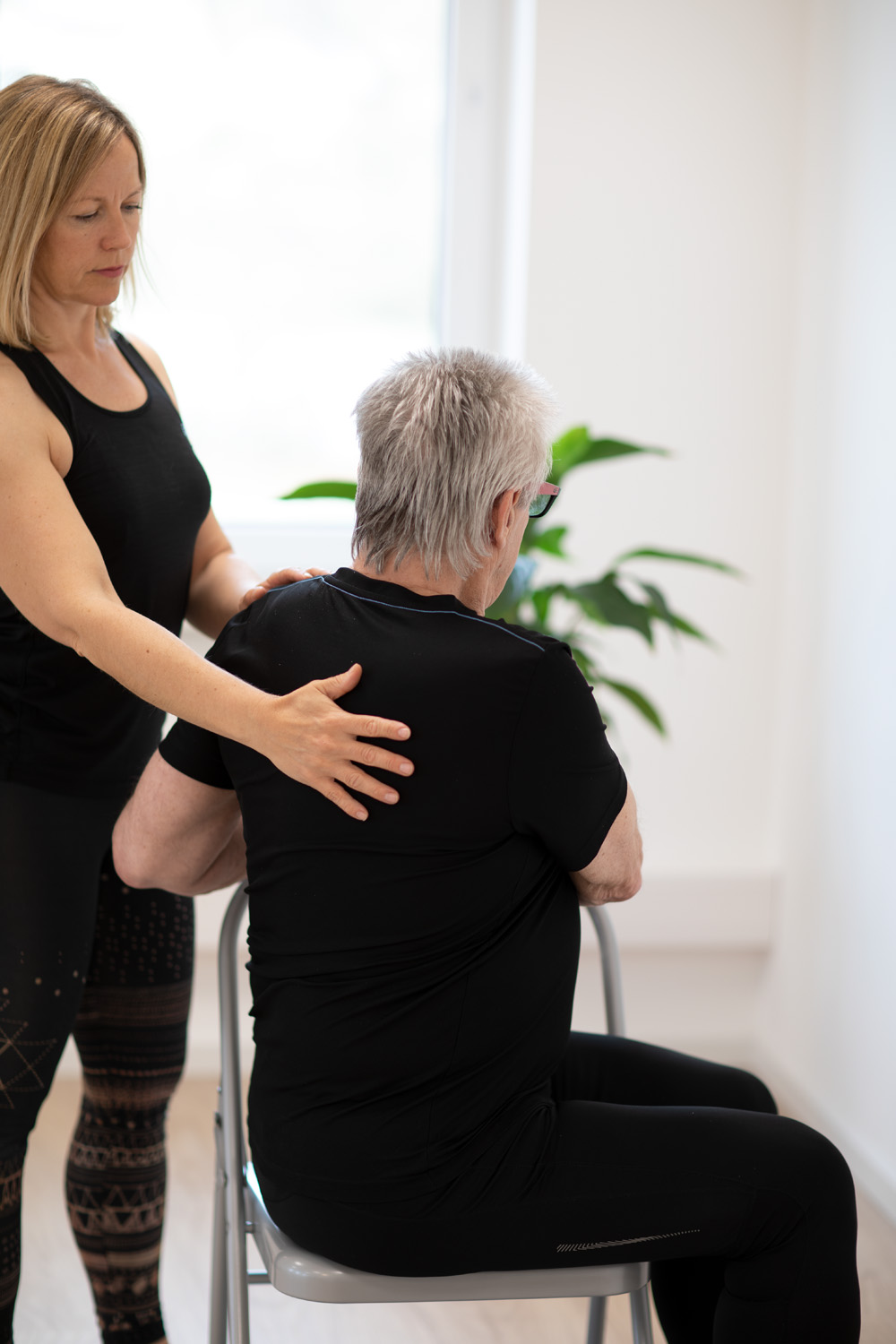
Yoga therapy is a personalized approach that uses breathing, movements and guided relaxation.
- Breathing techniques (Pranayama)
- Gentle yoga postures (Asanas)
- Relaxation practices
- Meditation and mindfulness practices
Unlike regular fitness oriented group yoga, yoga therapy is an individually assessed and implemented practice that focuses on bio-psycho-social-(spiritual) wellbeing and balancing the body according to one’s individual health condition.
For people who suffer from asthma, yoga therapy aims to improve lung capacity, reduce stress, and promote easier breathing. The program will typically focus on udana and samana vayu which are often compromised in asthma. What we see in the intake of a client is often a difficulty in exhalation and a restricted inhale; both have to do with the reduced elasticity of the diaphragm.
How Yoga Therapy Helps Asthma
1. Improves Lung Function
Breathing exercises strengthen the respiratory muscles like the diaphragm and increase lung capacity. Regular practice can improve breathing efficiency and help reduce breathlessness.
2. Reduces Stress and Anxiety
Stress is a common trigger for asthma attacks. Yoga activates the parasympathetic nervous system, calming the mind and reducing anxiety-related breathing difficulties.
3. Enhances Breathing Awareness
Many asthma patients develop shallow breathing habits. Yoga teaches mindful breathing, helping individuals gain better control over their breath.
4. Promotes Relaxation
Relaxation techniques reduce tension in the chest and diaphragm, making breathing feel more natural and comfortable.
5. Supports Overall Wellness
Yoga improves posture, circulation, immunity, and emotional health – all of which contribute to better asthma management.
Best Yoga Practices for Asthma
Yoga therapy advises postures and movements according to one’s individual breathing pattern and constitution, so this is just an overview of possible choices. In general we establish better posture and try to help with exhalation first as to reduce the hyperinflation of the lungs and a „stuck“ diaphragm.
Pranayama (Breathing Exercises)
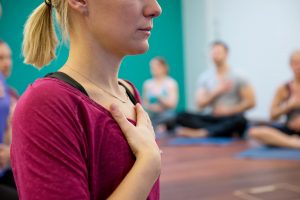
1. Diaphragmatic Breathing
Also called belly or threedimensional breathing, this technique encourages deeper and slower breaths visible in the lifting and falling of the abdmodiminal wall.
Benefits:
- Improves oxygen exchange
- Reduces breathlessness
- Relaxes the nervous system
2. Counting the breath
as to lengthen the compromised part of the breath cycle and also to learn to manage a breathing crisis. We may use pursed lips exhalation for it.
3. Anuloma Viloma (Alternate Nostril Breathing)
This calming breathing practice balances the body and mind.
Benefits:
- Reduces stress
- Improves lung function
- Encourages steady breathing
4. Brahmari Pranayama (Bee’s Breath)
A gentle humming sound creates relaxation and reduces anxiety.
Benefits:
- Calms the mind
- Helps regulate breathing
- Relieves tension
5. Breath retention and suspension
For beginners, it is all about a smooth breath cycle with natural pauses. Under supervision (or being an experienced yogi who knows what to do) you may use various stages of breath retention (after inhalation) and suspension (after exhalation) to improve lung capacity.
Recommended Yoga Poses for Asthma
1. Spinal extension
as supine position with arms over head or Mountain Pose (Tadasana) with arms lifted or wide open.
2. Gentle Backbends
as in Cobra Pose (Bhujangasana) or Bridge (Setu Bandhasana) which „open“ the chest and improve lung expansion in the front body.
3. Gentle Twists
as in Easy Pose or Crocodile Pose (Jathara Pavrtti): Helps stretch the side ribs, chest and throat, encouraging deeper breathing.
4. Prone Position
As in Child’s Pose (Balasana) which enhance the expansion of lungs in the backbody. Prone position can also be over two chairs or bolsters if kneeling is not available.
5. Inversions
as a supported shoulder stand (Sarvangasana) train the diaphragm for better breathing if not contraindicated (e.g. glaucoma, high blood pressure, pregnancy).
The Connection Between Breath and Mind
Asthma is not only physical; emotional stress often worsens symptoms. Yoga therapy works on both body and mind, helping individuals feel calmer, more confident, and more connected.
Many people report better sleep, fewer anxiety episodes, and improved quality of life after incorporating yoga into their asthma management routine.
Rested mind – less symptoms
Yoga therapy offers a gentle, natural, and supportive approach for people living with asthma. Through mindful breathing, relaxation, and gentle movement, yoga can help improve lung health and reduce stress-related symptoms.
While it is not a cure for asthma, regular yoga practice may help individuals breathe easier and live more comfortably alongside conventional medical care.
Taking even a few minutes each day to focus on the breath can create powerful changes in both physical and emotional well-being.
Important Safety Tips
Yoga therapy should complement and not replace medical treatment.
Before beginning yoga for asthma:
- Consult your healthcare provider
- Practice under a qualified yoga therapist (IAYT certified)
- Avoid intense or fast-paced yoga styles
- Never force the breath
- Stop immediately if dizziness or discomfort occurs
Gentle and consistent practice is more effective than pushing hard.
Yoga improves quality of life [5 studies, 375 participants], improves symptoms [3 studies 243 participants], reduces medication usage and improves asthma control [7 studies, 340 participants] without any adverse effect.
Yang ZY, Zhong HB, Mao C, Yuan JQ, Huang YF, Wu XY, Gao YM, Tang JL. Yoga for asthma. Sao Paulo Med J. 2016 Jul-Aug;134(4):368. doi: 10.1590/1516-3180.20161344T2. PMID: 27557146; PMCID: PMC10876332.
-More research:
Santino TA, Chaves GS, Freitas DA, Fregonezi GA, Mendonça KM. Breathing exercises for adults with asthma. Cochrane Database Syst Rev. 2020 Mar 25;3(3):CD001277. doi: 10.1002/14651858.CD001277.pub4. PMID: 32212422; PMCID: PMC7096190.)